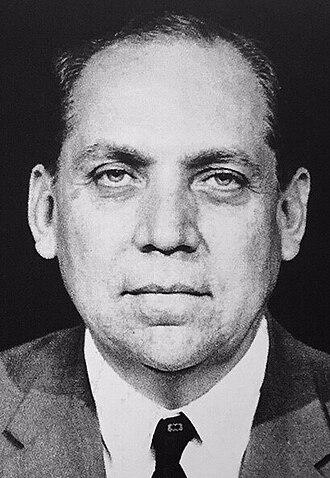
Arturo Uslar Pietri, one of Venezuela's most revered literary figures, possessed an unparalleled ability to capture the profound depths of the human experience. His seminal work, La Cara De La Muerte (The Face of Death), stands as a chilling testament to this talent, plunging readers into the heart of a devastating cholera epidemic. While the title La Cara De La Muerte has resurfaced in various modern contexts, from dramatic television series like the 2018 Movistar Plus+ adaptation focusing on a surgeon's unsettling encounter with a transformed friend (La Cara De La Muerte: Surgeon Katie Faces a Startling Transformation), to contemporary mystery novels, it is Uslar Pietri's visceral depiction of a community's struggle against an invisible enemy that truly defines its enduring power. This article delves into Pietri's masterful portrayal of a cholera-stricken village, exploring the epidemic's impact, humanity's desperate responses, and the profound questions it raises about survival and the human spirit.
The Haunting Specter of Cholera: A Village's Despair
Uslar Pietri's narrative begins with a stark, terrifying simplicity: "Un buen día empezó la gente a morirse en el pueblo. Era el cólera, que había llegado." (One fine day people started dying in the village. It was cholera, which had arrived.) This sudden onset of death, devoid of preamble, immediately establishes the story's grim tone. The epidemic is not a distant threat but an immediate, pervasive reality that quickly engulfs the community. The descriptions of the afflicted are vivid and harrowing:
- "las demacradas caras de hombres en cuchillas, verdosos y acezantes." (the emaciated, knife-like, greenish, gasping faces of men.)
- Victims struggling to move, collapsing in a scream with hands clenched over their thin bellies.
This graphic imagery paints a picture of extreme suffering and rapid decline, where life is extinguished "a matter of hours." The efficiency with which the disease operates is terrifying, transforming robust individuals into skeletal figures, gasping for breath. The village infrastructure quickly buckles under the strain. Coffins run out, forcing the dead to be piled onto carts for transport. The gravediggers, essential during such a crisis, succumb to the disease at an alarming rate, with three pairs dying in a single week. This detail underscores the overwhelming nature of the epidemic and the breakdown of even the most basic societal functions when confronted with such widespread mortality. The streets, once bustling, become desolate, echoing with the creaking wheels of the death cart and the somber toll of the priest's bell as he administers the viaticum. The physical and emotional landscape of the village is irrevocably altered, reflecting the profound despair that has taken root.
Humanity's Desperate Measures: Faith, Fear, and Folk Remedies
In the face of such an unstoppable force, the people of Uslar Pietri's village react with a mixture of profound fear, desperate faith, and reliance on ancestral wisdom. The description of villagers peering through their doors with "ojos de pavor" (eyes of terror), their mouths and noses covered with cloths, is a powerful image of both self-preservation and communal vigilance. They are isolated in their homes, yet constantly listening for the dreaded news that another neighbor has fallen. This pervasive fear creates a palpable tension throughout the narrative, making every rustle, every distant sound, a potential harbinger of doom.
Religion becomes a central pillar of hope and solace. The frequent passing of the priest, accompanied by a server with a bell, symbolizes the community's desperate reliance on spiritual intervention. Within the solitary courtyards of homes, family groups gather in the shade of corridors, their voices blending in prolonged recitations of rosaries, trisagions, salves, creeds, and special prayers to the most miraculous saints. The "eco de los rezos se mezclaba con el quejido de los enfermos" (echo of the prayers mingled with the groaning of the sick) highlights the poignant juxtaposition of spiritual solace with physical agony. This collective act of prayer is not merely a ritual; it's a defiant act against the encroaching death, an attempt to bargain with the divine for survival.
Alongside religious practices, traditional folk medicine also plays a vital role. Women, guided by the advice of a curandero (healer), prepare large infusions of leaves and herbs over makeshift fires in their patios. These remedies, born of generations of knowledge, offer a practical, albeit often ineffective, means of fighting the disease, or at least providing comfort. The fear is further amplified by the constant, chilling announcements made in hushed, trembling voices from outside windows: "Cayó don Pantaleón. Ya cayeron las Pérez. No queda una en pie. ¡Cayó el cura!" (Don Pantaleón has fallen. The Pérez family has fallen. Not one remains. The priest has fallen!). Each name marks another loss, another confirmation of cholera's relentless march, driving the remaining villagers deeper into their prayers and their desperate hope for survival. For a deeper look at the various forms of struggle and transformation depicted in such narratives, consider La Cara De La Muerte: Unraveling Its Mystery and Deep Transformations.
Manuel Fornero's Flight: The Instinct for Survival Amidst Collapse
Amidst the widespread despair, Uslar Pietri introduces Manuel Fornero, a character who embodies the complex human instinct for self-preservation. Known by various affectionate nicknames—Don Manuel, El Flaco Manuel, El Chivo Fornero—he is a familiar and respected figure in the village, recognized by his distinctive silhouette, long brown face, pointed nose, and sparse, drooping mustache. Manuel, a passionate aficionado of fighting cocks, spends much of his year in the village, a testament to his embeddedness in the community. However, as the cholera tightens its grip, Manuel makes a pivotal decision: he leaves. He concocts a pretext, claiming he must supervise the upcoming cleaning of his coffee plantations in the "altas montañas azules" (high blue mountains). Yet, the narrator reveals his true motivation with poignant clarity: "Pero sabía que iba huyendo." (But he knew he was fleeing.)
Manuel's flight is a powerful moment in the narrative, highlighting the raw, primal urge to survive even at the cost of abandoning one's community. He represents the individual's struggle against a collective catastrophe. His journey, on mule-back along a steep path to his hacienda, is not just a physical escape but a psychological one, leaving behind the overwhelming horror of death. Uslar Pietri subtly invites readers to question the morality of such an act. Is it an act of cowardice, or a natural human response when faced with certain doom? In a crisis of this magnitude, when even the priest and gravediggers are succumbing, the lines between responsibility and survival become blurred. Manuel Fornero's departure underscores the epidemic's capacity to shatter social bonds and force individuals to confront their deepest fears and priorities. His detailed description before his flight, his love for fine roosters and his interaction with the peasants, creates a sense of a life left behind, a man abandoning his familiar world for an uncertain refuge.
Arturo Uslar Pietri's Enduring Legacy: Crafting a Timeless Narrative of Crisis
Arturo Uslar Pietri's La Cara De La Muerte is more than just a story about a cholera epidemic; it is a profound meditation on life, death, fear, and resilience. His literary mastery lies in his ability to create such a vivid and emotionally resonant world with sparse yet impactful prose. The sensory details – the greenish faces, the gasping breaths, the cries, the creaking cart wheels, the scent of herbal infusions, the whispered announcements of death – immerse the reader completely in the village's plight. He transforms a historical tragedy into a universal human drama. Uslar Pietri does not merely recount events; he evokes the atmosphere of dread, the desperate hope, and the quiet courage found in the most desperate circumstances.
The story's enduring relevance stems from its exploration of themes that transcend time and geography. Epidemics, while devastating, often serve as mirrors reflecting the true nature of humanity. They expose societal vulnerabilities, test communal bonds, and reveal the strengths and weaknesses of individuals. Uslar Pietri's narrative prompts reflection on our own responses to crisis, the balance between collective responsibility and individual survival, and the role of faith and tradition in times of extreme adversity. While modern interpretations of La Cara De La Muerte might explore psychological transformations or contemporary mysteries, Uslar Pietri's original work remains a powerful literary beacon, reminding us of the fragility of life and the indomitable, yet often desperate, spirit of humanity in the face of death.
Arturo Uslar Pietri's La Cara De La Muerte offers a chilling yet essential journey into a community grappling with the unimaginable. Through his masterful storytelling, we witness the devastating power of a cholera epidemic, the profound fear it instills, and the varied human responses ranging from fervent prayer and folk remedies to the stark instinct for survival exemplified by Manuel Fornero's flight. This timeless narrative serves as a poignant reminder of past struggles and a powerful reflection on humanity's enduring confrontation with its own mortality. Uslar Pietri's legacy lives on, inviting readers to confront the stark "face of death" and ponder the resilience, fragility, and complex choices that define us in times of ultimate crisis.